How To Replace A Tap Cartridge — UK Guide | Elani
Cartridges are not universal. How to identify the right one, remove the old one without damaging the tap, and fit the replacement.
September 21, 2026
4 minutes
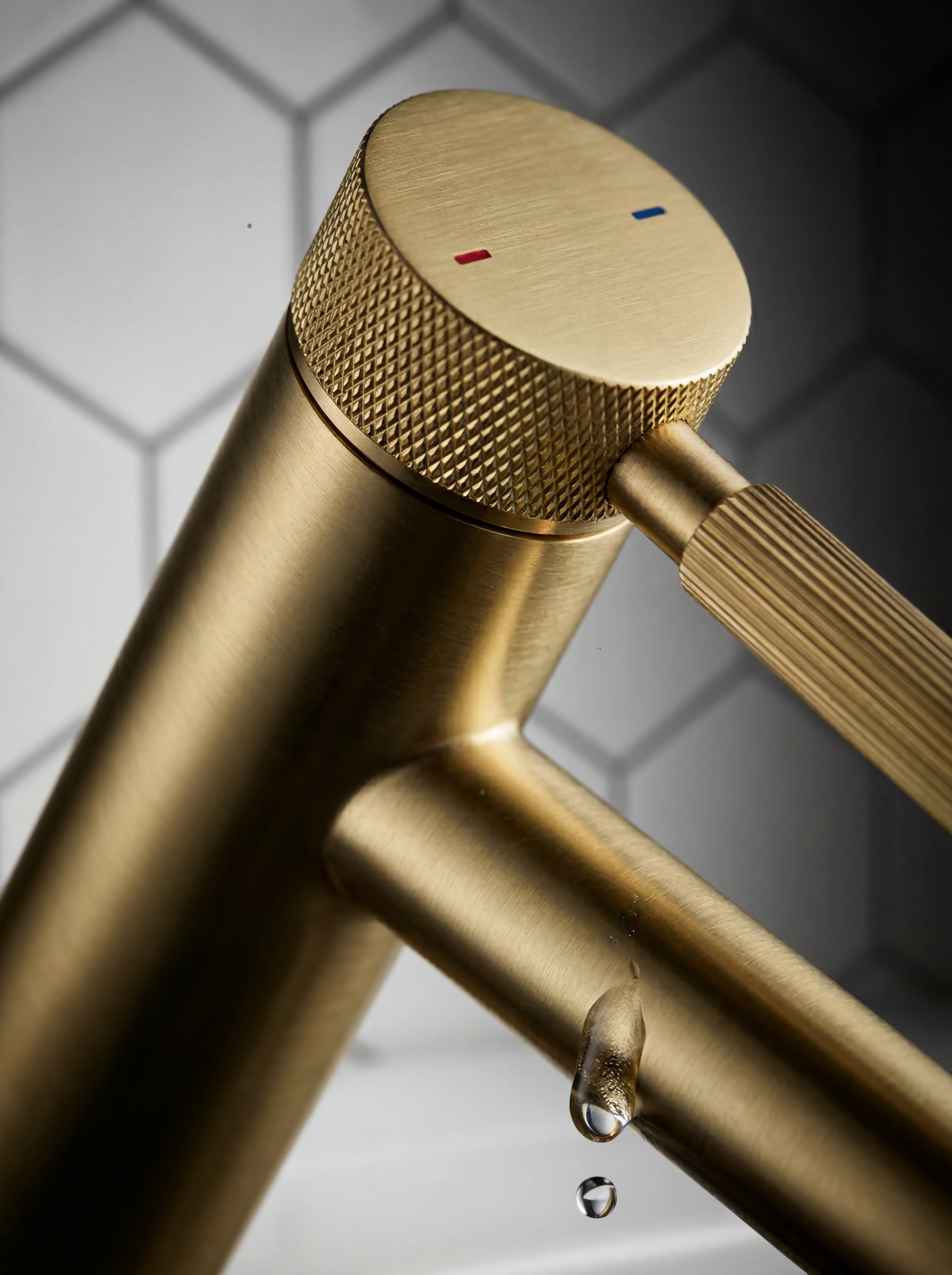
Cartridges are not universal. How to identify the right one, remove the old one without damaging the tap, and fit the replacement.
September 21, 2026
If your mixer tap has started dripping and the handle turns about a quarter turn rather than winding round several times, the part you need is a ceramic disc cartridge. Replacing it is a fifteen-minute job with ordinary tools.
The difficulty is not the fitting. It is buying the right part.
Last updated 21 September 2026 · Elani Journal
Two polished ceramic discs, one fixed and one that rotates with the handle. Each has openings cut into it. Turn the handle and the openings line up, and water flows; turn it back and they close. On a mixer, the same movement blends hot and cold.
Ceramic does not perish, so cartridges do not wear out the way rubber washers do. They fail when grit or limescale gets between the two faces and stops them meeting flat. Once that happens, no amount of tightening the handle will close it.
This is the step that sends people back to the merchant twice.
Cartridges vary by manufacturer, by model and often by production year. They differ in diameter (35mm and 40mm are the common sizes, but far from the only ones), in height, in the shape of the splined top that the handle grips, and in how they locate in the tap body.
So: remove the old cartridge first, and take it with you. Ordering from a photograph or a model number you found online is how you end up with a part that is 2mm too short. If the tap is still under warranty, the manufacturer will usually supply the exact cartridge free.
1. Isolate the water. Small valves on the pipes under the basin, turned with a flathead screwdriver so the slot sits across the pipe. No valves, use the stopcock. Open the tap afterwards to drain the pipe.
2. Put the plug in. The grub screw is tiny and the plughole is right there.
3. Get the handle off. There is usually a small cap on top or an indicator disc on the side marked hot or cold — prise it off gently with a fingernail or a plastic trim tool rather than a screwdriver, which marks the finish. Under it is a screw, often a hex grub screw. Undo it and lift the handle straight up.
4. Remove the retaining nut. A brass or chrome collar holding the cartridge in. It usually takes an adjustable spanner or a deep socket. Hold the tap body still while you turn it — if the whole tap rotates, you will break the seal underneath and create a second job.
5. Lift the cartridge out. Note which way round it sits before it comes clear. Many have a lug or flat that locates in a slot, and a cartridge fitted 180 degrees out gives you hot on the cold side.
6. Clean the seat. Wipe out grit and scale from the recess. It is what killed the last one.
7. Fit the new one in the same orientation, hand-tighten the retaining nut, then nip it up — firm, not brutal. Overtightening cracks the ceramic and you are back where you started.
8. Turn the water on slowly and check underneath before putting the handle back on.
Then it was not the cartridge.
Check the O-rings on the spout if water appears around its base when you swivel it. Check the supply connections underneath if the water is arriving from below. And if the new cartridge drips immediately, it is either the wrong part, fitted the wrong way round, or overtightened.
A cartridge is a cheap fix for a good tap. It is a poor fix for a tired one.
If you are replacing the cartridge yearly, the tap body is worn and will keep chewing them. If the finish is lifting, clouding or flaking, the part that matters has already failed — that is why how a finish is applied matters more than most people expect when buying. And on taps beyond roughly fifteen years, the cartridge is frequently discontinued.
At that point see Bathroom Tap Prices Explained, or the Sable and Vermeil basin taps.
No, and this is the commonest mistake. They vary in diameter, height, splined top and how they locate in the body, between manufacturers and often between model years. Remove the old one and take it with you rather than ordering from a photograph.
Years, in soft water. Considerably less in hard water, because limescale and grit work between the ceramic faces and stop them seating. If yours fails within a year, suspect the tap body rather than the cartridge.
Look for a small cap on top or a hot and cold indicator disc on the side. Prise it off with a fingernail or a plastic trim tool — a screwdriver will mark the finish. A screw or hex grub screw sits underneath. Undo it and the handle lifts straight up.
It has gone in 180 degrees out. Most cartridges have a lug or a flat that locates in a matching slot in the tap body. Isolate the water again, lift it out, rotate it and refit.
Yes, in most cases — it needs a screwdriver, an adjustable spanner and the ability to isolate the water. Call someone if the retaining nut is seized, if the tap body rotates when you apply force, or if you cannot find a way to turn the water off.
Next: How To Fix A Dripping Tap covers the traditional washer version of the same problem.