Will a basin tap work with my water pressure?
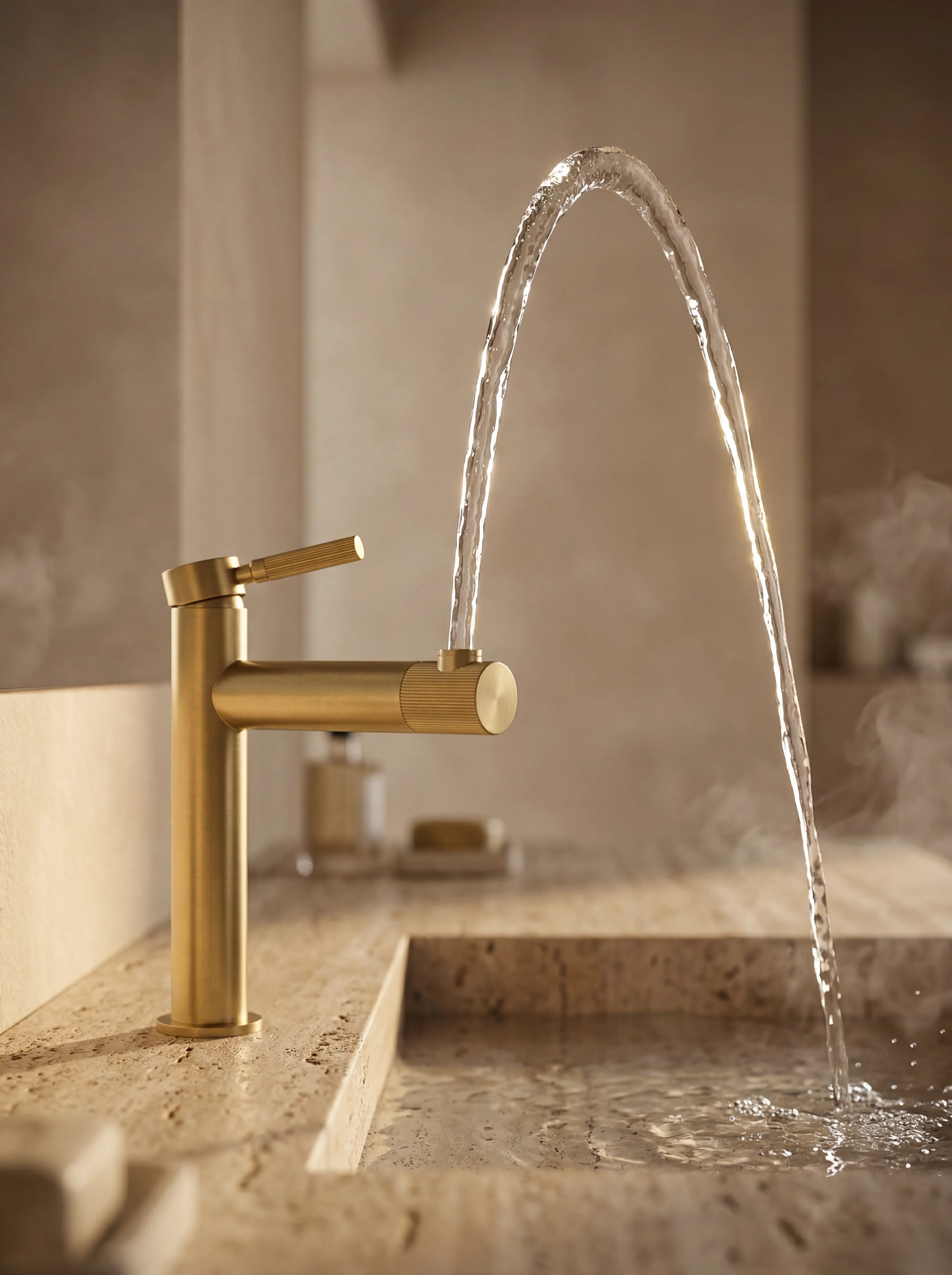
Every tap carries a minimum pressure rating, usually between 0.1 and 3 bar. If you have a combi boiler or an unvented cylinder, pressure is mains-fed and almost any tap will work. If you have a gravity-fed system with a cold tank in the loft, pressure at an upstairs basin is often only around 0.2 bar — in which case you need a tap rated for low pressure, or the flow will disappoint no matter how good the tap is. Check the rating before the finish.
How many tap holes does my basin have?
A mono basin mixer needs one hole and is the most common format. Some basins have three holes, taking a separate spout and two handles. Countertop basins frequently have none at all, because the tap is expected to be mounted on the vanity beside them or on the wall. This is worth confirming before ordering, since it decides the tap format rather than the other way round.
How high should a tap be for a countertop basin?
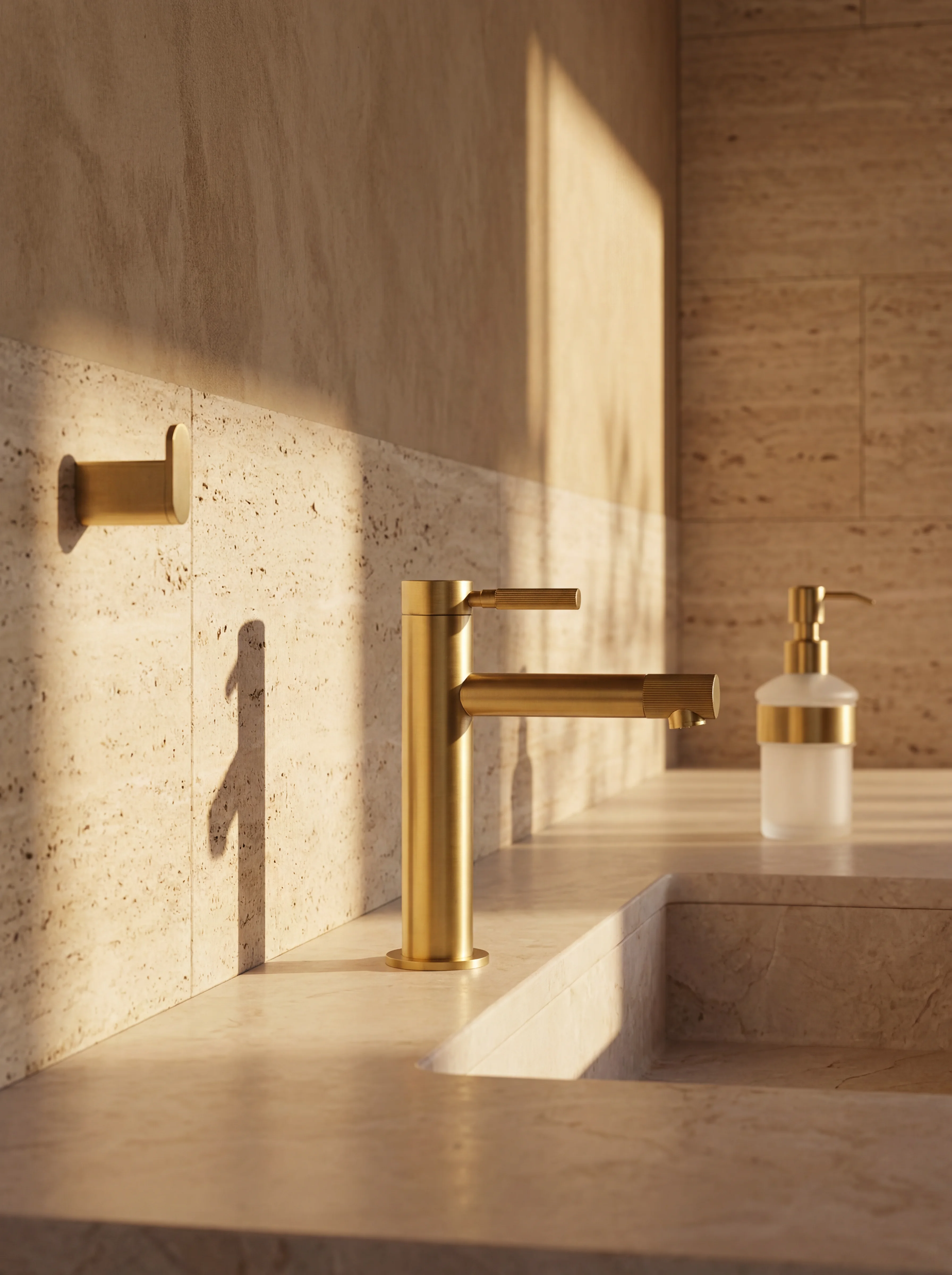
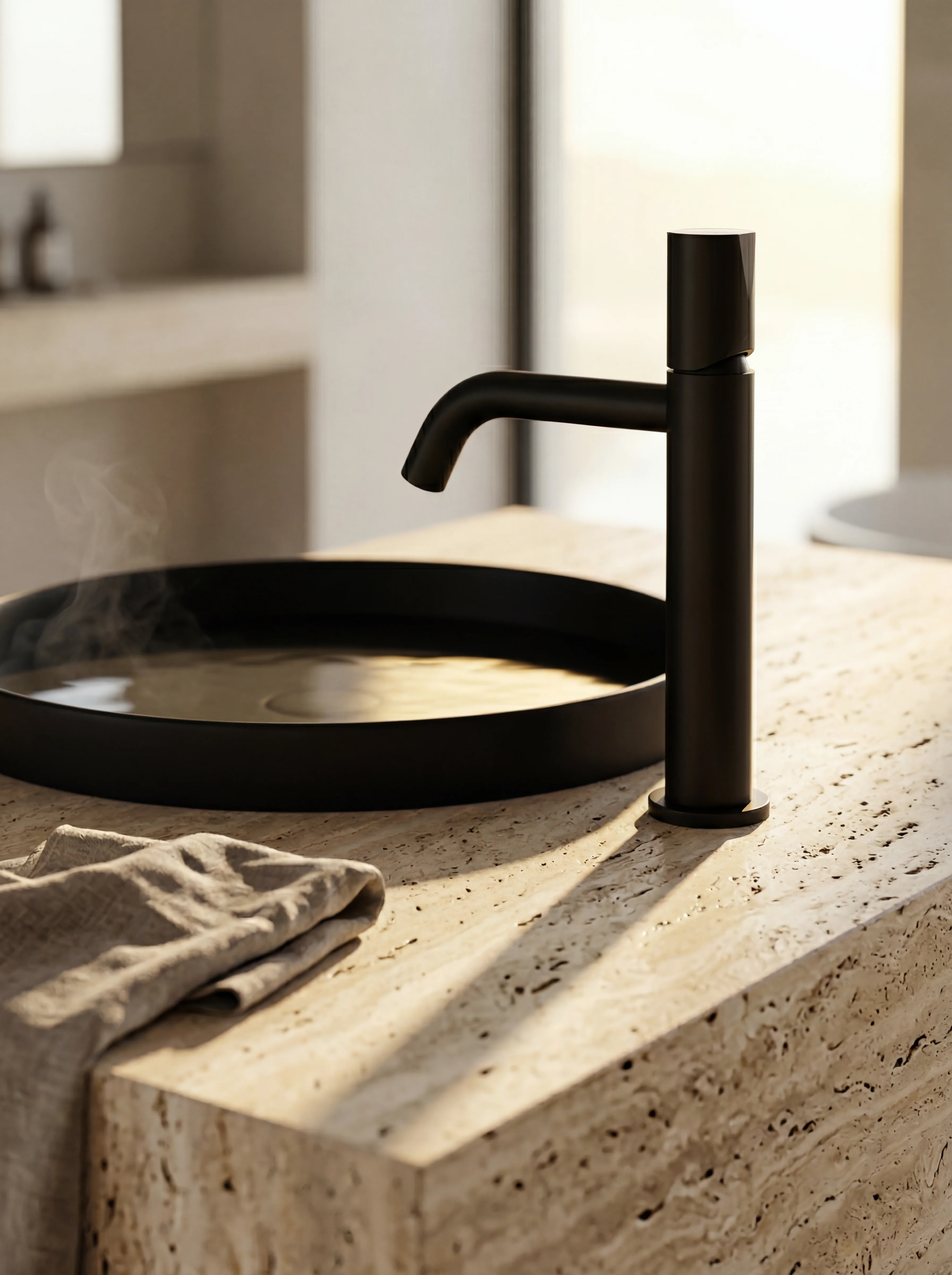
A countertop basin sits proud of the surface, so a standard-height mono mixer will often pour against the rim rather than into the bowl. Measure from the vanity surface to the top of the basin rim, then check the tap's spout height and projection against it. A tall mono mixer or a wall-mounted spout is usually the answer.
Do matt black and brushed brass taps mark?
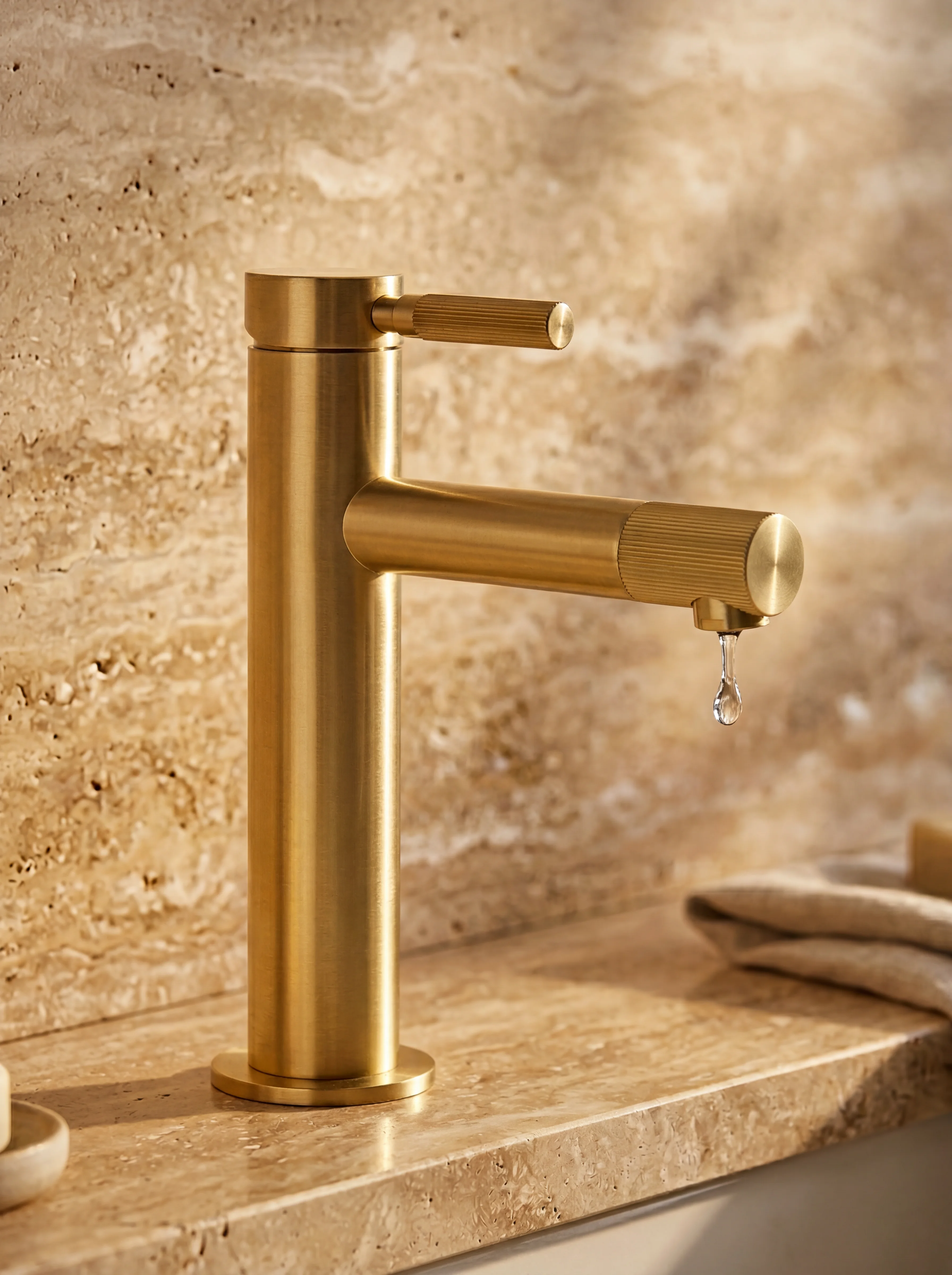
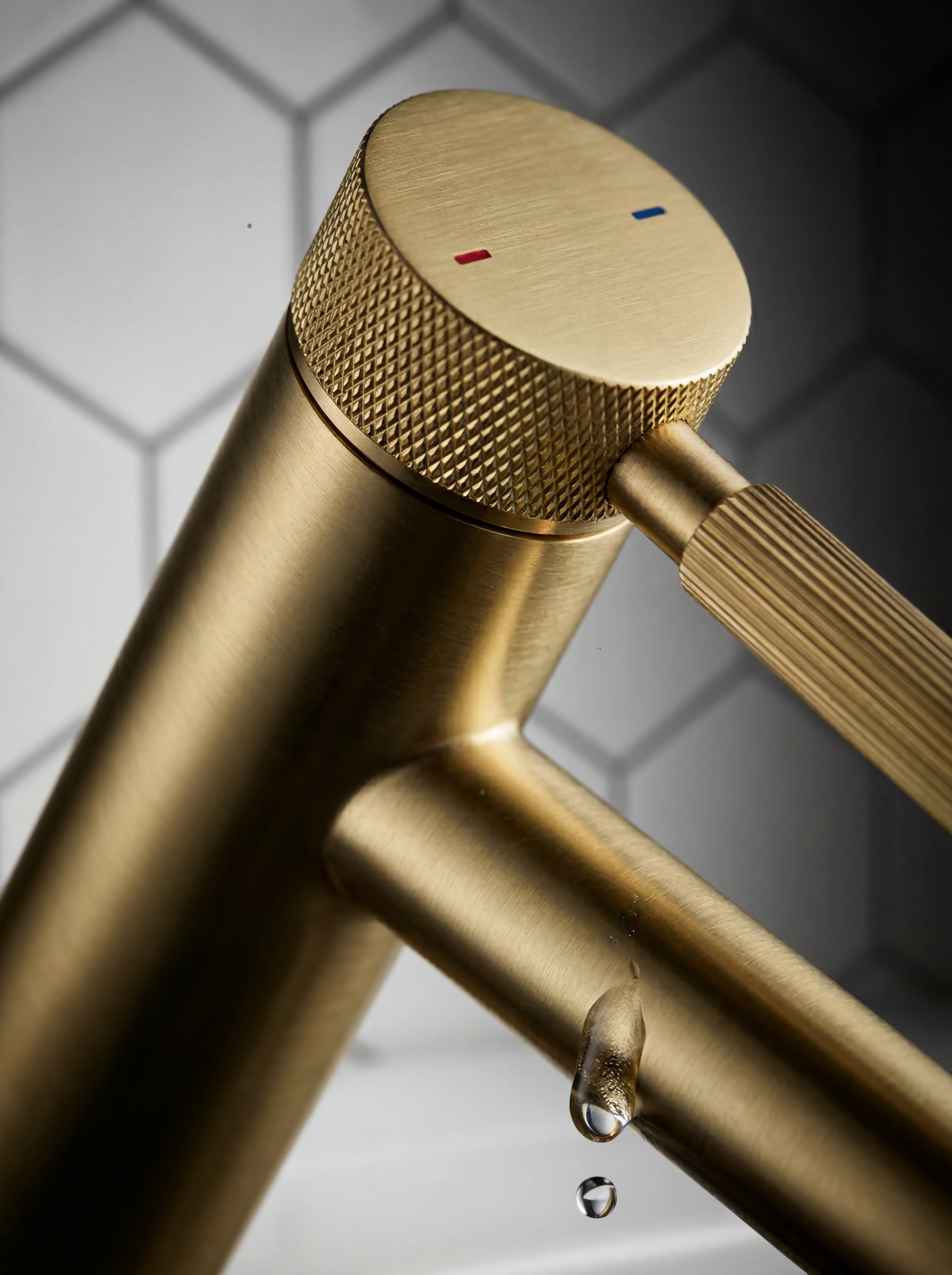
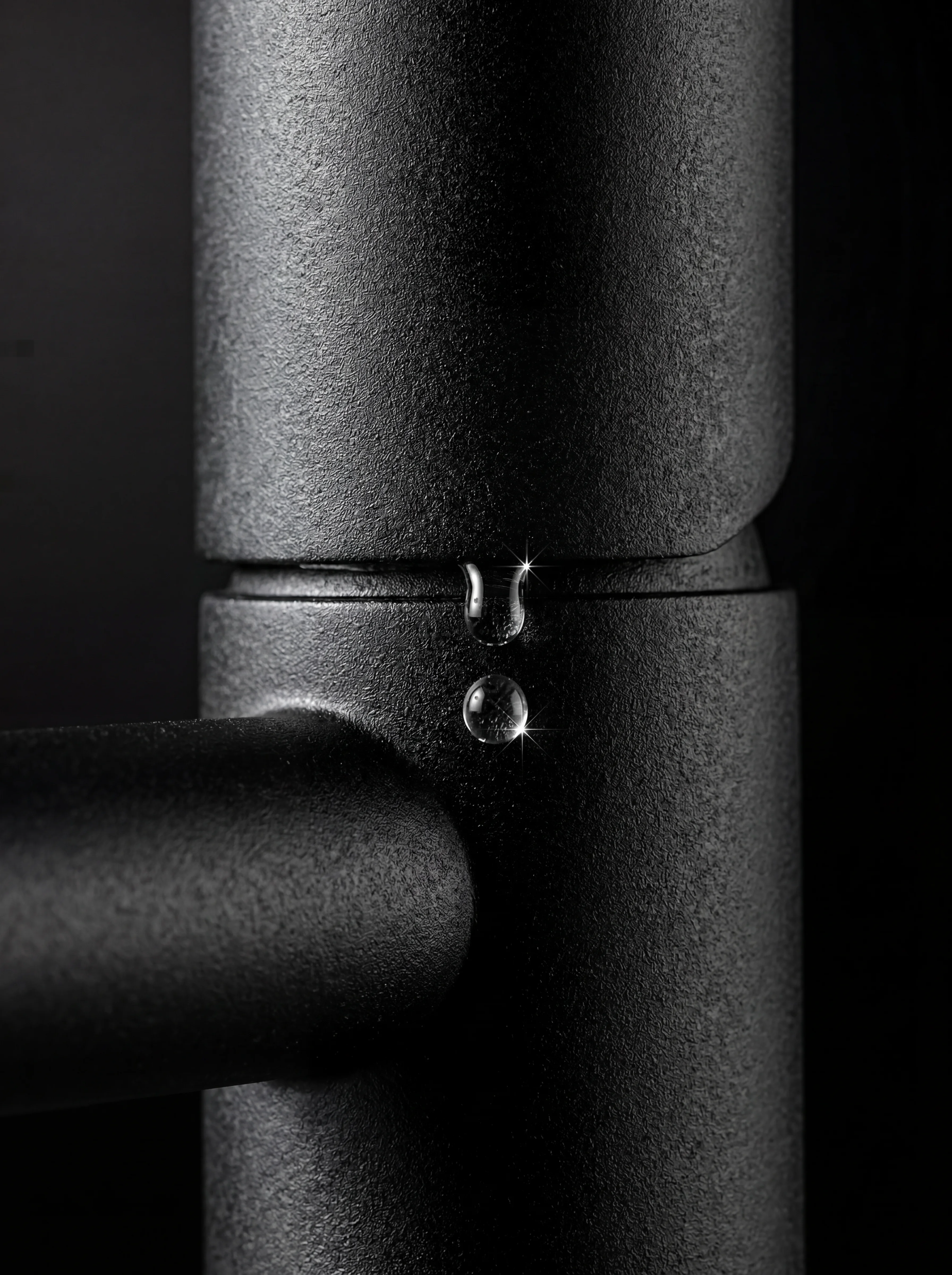
Less than polished chrome, in practice. Brushed and matt surfaces scatter light, which hides water spots and fingerprints that a mirror finish shows immediately. A quality PVD coating will not tarnish or discolour. What does damage both finishes is abrasive cleaner and limescale remover — warm soapy water and a soft cloth, dried straight after, is the whole routine.
Further reading