What size shower enclosure do I need?
Measure the opening in three places — top, middle and bottom — and order to the smallest of the three. Walls are almost never square, and ordering to the widest measurement is the single most common reason an enclosure arrives and will not fit. The adjustment built into the wall profile takes up the difference, not the other way round. For a recess you need one measurement across the opening; for a corner you need both wall runs.
Sliding, pivot, bi-fold, quadrant or walk-in?
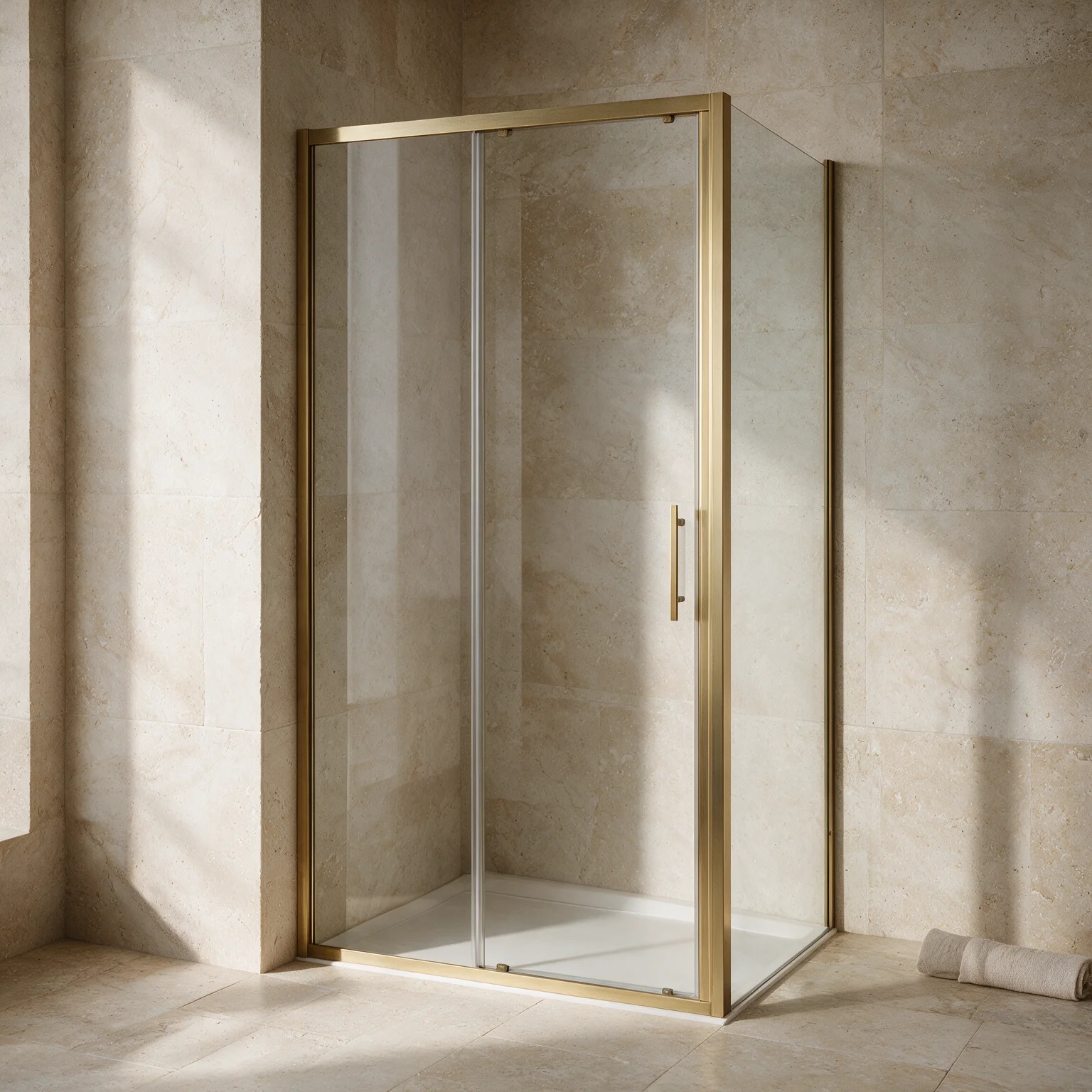
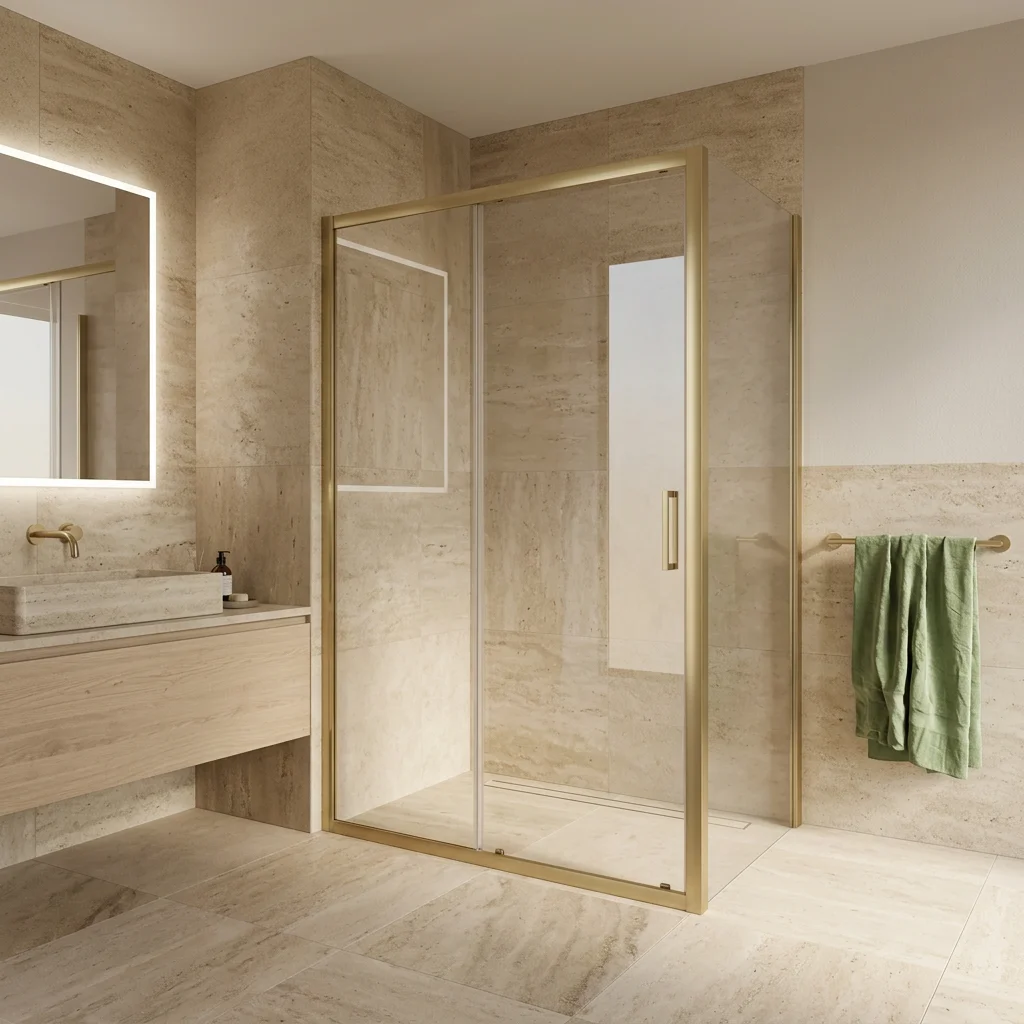
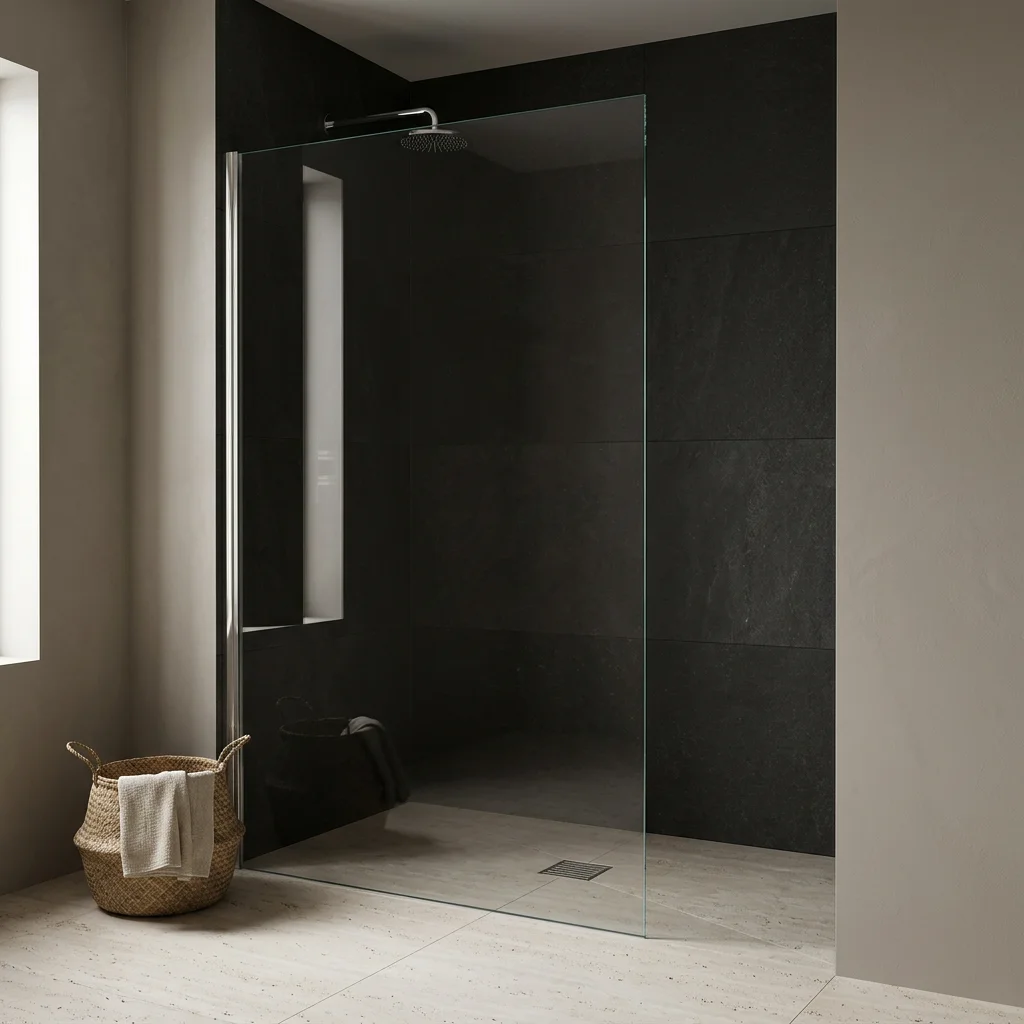
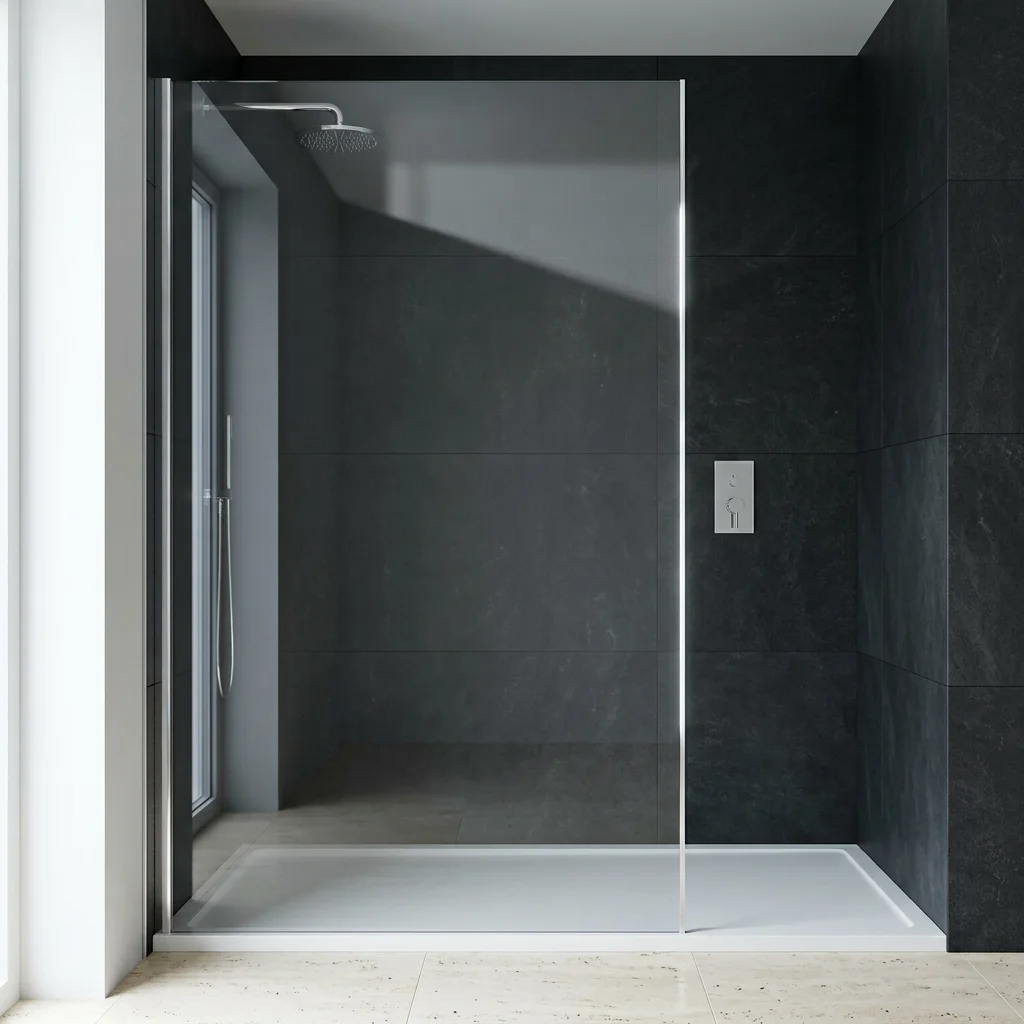
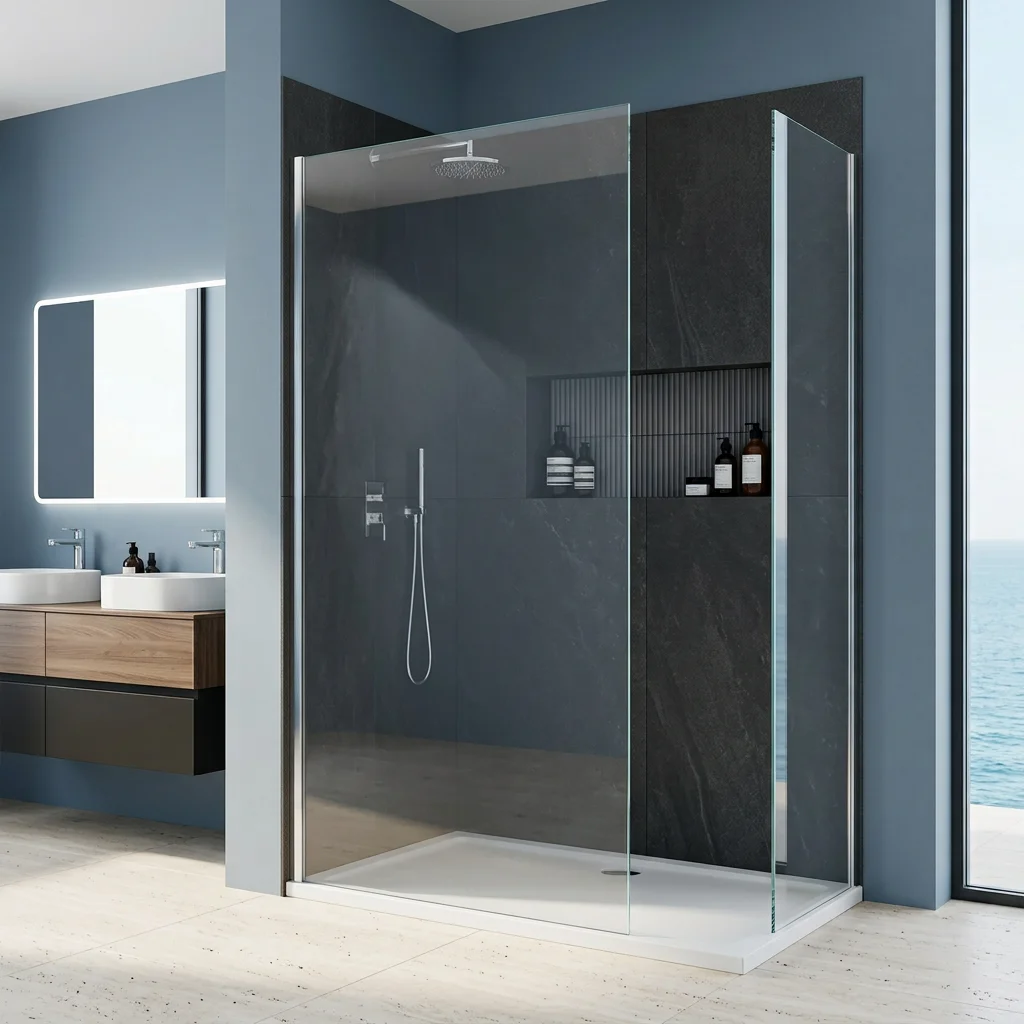
The room decides this, not taste. A sliding door needs no floor in front of it, so it suits a bathroom where the enclosure faces the basin. A pivot door opens wider and feels the most generous, but wants around 700mm of clear floor to swing into. A bi-fold folds inward on itself and needs almost nothing, which is why it is often the only door that fits a small ensuite. A quadrant curves across a corner, giving its corners back to the room where floor space is already short. A walk-in panel has no door at all — it is a single fixed sheet of glass, and it belongs to a wet room rather than a cubicle.
Do I need a shower tray with an enclosure?
Usually, yes. An enclosure is glass and profiles only — the tray is a separate decision and it has to be chosen to match. A rectangular enclosure takes a rectangular tray of the same footprint; a quadrant needs a quadrant tray with the same radius, and 500mm and 550mm radii are both common and not interchangeable. The alternative is to tank the floor and run the glass straight onto it, which is what a walk-in panel is designed for and what turns a shower into a wet room.
What glass thickness should a shower enclosure be?
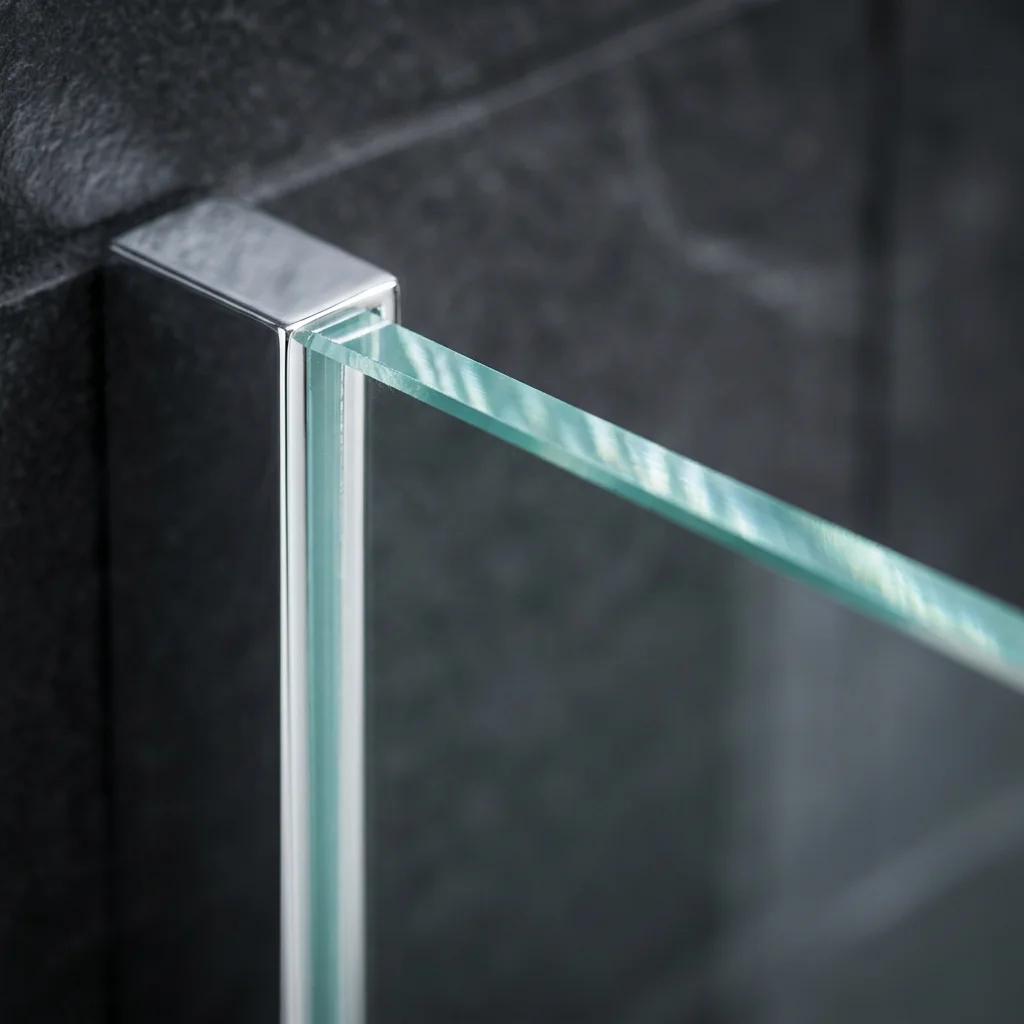
6mm is the sensible standard for a door or an enclosure and what most quality ranges use. 4mm is thinner than it should be for a door that is opened several times a day. 8mm and 10mm are heavier, flatter and steadier, and are generally reserved for fixed walk-in panels where the weight is carried by a single wall profile rather than a moving hinge or track — which is exactly why Voile is 8mm while the doors are 6mm. Whatever the thickness, it should be toughened safety glass — that is a requirement, not an upgrade.
How long does a shower enclosure last?
The glass will outlive the bathroom. What fails is the hardware — rollers, hinges, seals — and that is what a guarantee is really covering. Five years is the common offer in the UK. Elani's enclosures are guaranteed for life, which is the clearest signal available about where a manufacturer expects its own hardware to be in a decade. Keep the seals clean and run the track under the shower occasionally, and there is very little else to do.