Why There Is A Spider In Your Bath — And How To Help It Out | Elani
It did not come up the plughole. UK house spiders peak in mid-September, and a smooth bath is a trap they cannot climb out of.
September 21, 2026
4 minutes
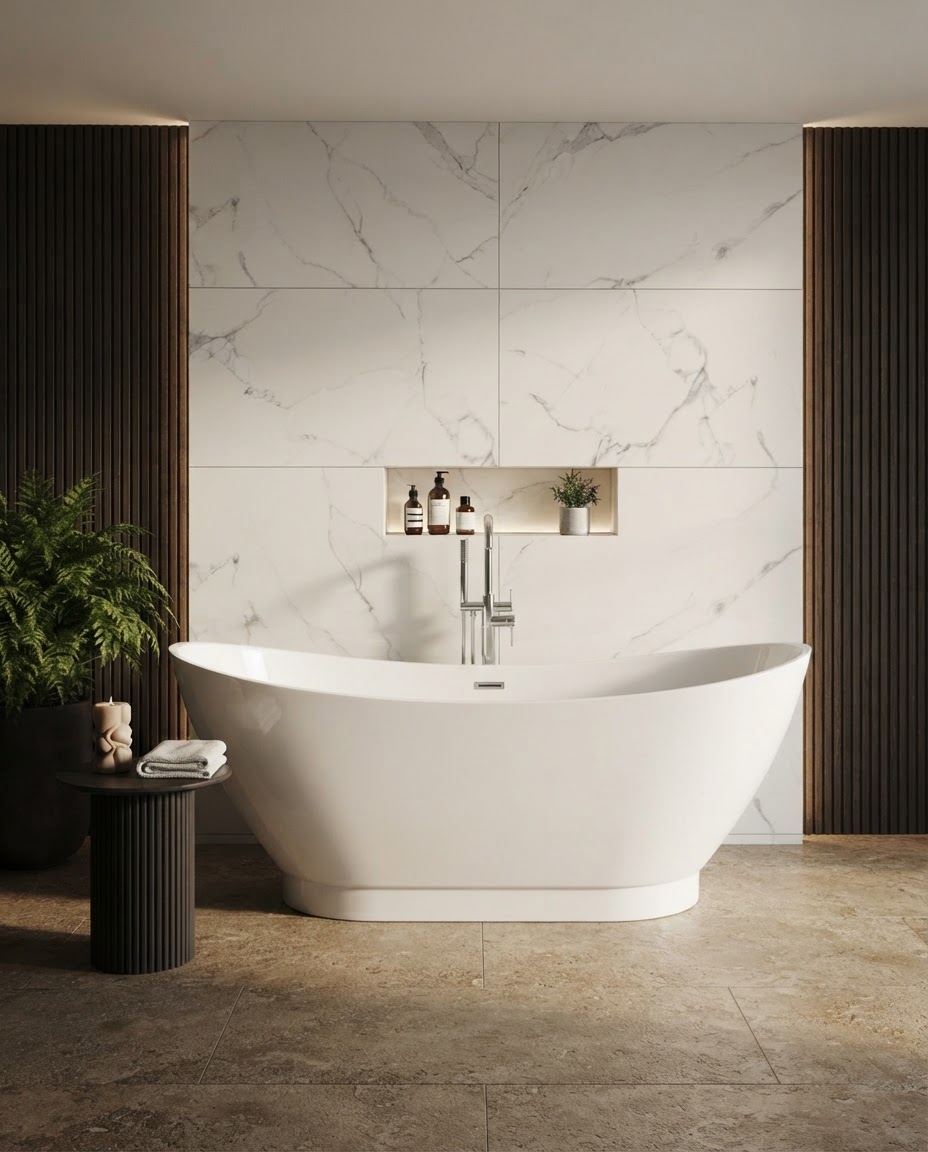
It did not come up the plughole. UK house spiders peak in mid-September, and a smooth bath is a trap they cannot climb out of.
September 21, 2026
Every September the same thing happens in British bathrooms, and every September the same explanation gets repeated: it came up the plughole.
It did not.
Last updated 21 September 2026 · Elani Journal
Late summer into autumn is mating season for the common house spider. The males, who have spent most of the year out of sight in garages, sheds, lofts and the quiet corners of the house, start moving around in search of females.
Research from the University of Gloucestershire found UK house spider sightings peak around mid-September, and that more than 80% of those sightings are male. Which is the useful part of the explanation: there are not suddenly more spiders in your house. The ones already living there have started walking about.
Not the plughole. Modern waste traps hold standing water, which a spider is not going to walk through, and the ones that do come up a pipe are the exception rather than the rule.
What actually happens is duller. A spider crossing the room at floor or rim level goes over the edge of the bath, and then discovers the problem: enamel and acrylic are too smooth to climb. The sides are steep, there is nothing to grip, and the more it tries the more obviously stuck it is.
Bathrooms are also where they tend to end up in the first place — humid, quiet, and where small insects gather.
The tidiest solution, and better than the glass-and-postcard manoeuvre for everyone involved.
Tear off a long strip of toilet paper, weight one end — a folded corner is enough — and drape it into the bath so it runs from the floor of the bath up over the rim. That is a climbable surface. Leave the room. It will let itself out.
If you would rather move it yourself, the glass and a stiff card still works; a tall glass is better than a short one, because a house spider can jump further than you would like.
House spiders do not bite people in any meaningful sense, they are not interested in you, and they spend their entire lives eating the insects you would object to far more.
The one in your bath is also, statistically, a male at the end of his life. He is not moving in. He is passing through, badly.
Honestly, not very effectively.
The things that genuinely reduce it are physical: fly screens on windows left open at night, sealing obvious gaps around pipework and under doors, and keeping the outside of external walls clear of the dense planting they live in. Reducing other insects reduces the reason for spiders to be there at all.
Conkers and essential oils circulate every autumn as remedies. The evidence for them is thin. A screen on the window is dull, but it works.
And the season is short. The peak passes within a few weeks, and by November the house goes quiet again.
Very rarely. A standard waste trap holds standing water, which is an effective barrier. Almost every spider found in a bath walked in over the rim and could not climb back out because the sides are too smooth.
It is mating season. Male house spiders leave the quiet places they have spent the year and move around looking for females, which makes them far more visible. Sightings peak around mid-September and over 80% are male. The population has not grown — its behaviour has changed.
Drape a long strip of toilet paper into the bath with one end weighted, running up and over the rim, and leave the room. It gives the spider something it can climb. A tall glass and a piece of stiff card also works if you would rather move it directly.
Enamel and acrylic are too smooth and the sides too steep for its claws and foot hairs to find any purchase. It is the same reason they are found in sinks and never in a carpeted room — anywhere with texture, they simply leave.
No. UK house spiders pose no meaningful risk to people, have no interest in you, and spend their lives eating insects most people would rather not share a house with.
There is little good evidence for either. What does help is physical: fly screens on open windows, sealing gaps around pipework and under doors, and keeping dense planting away from external walls. Fewer insects indoors also means fewer reasons for spiders to be there.
While you are in there: The Case For A Long Soak.